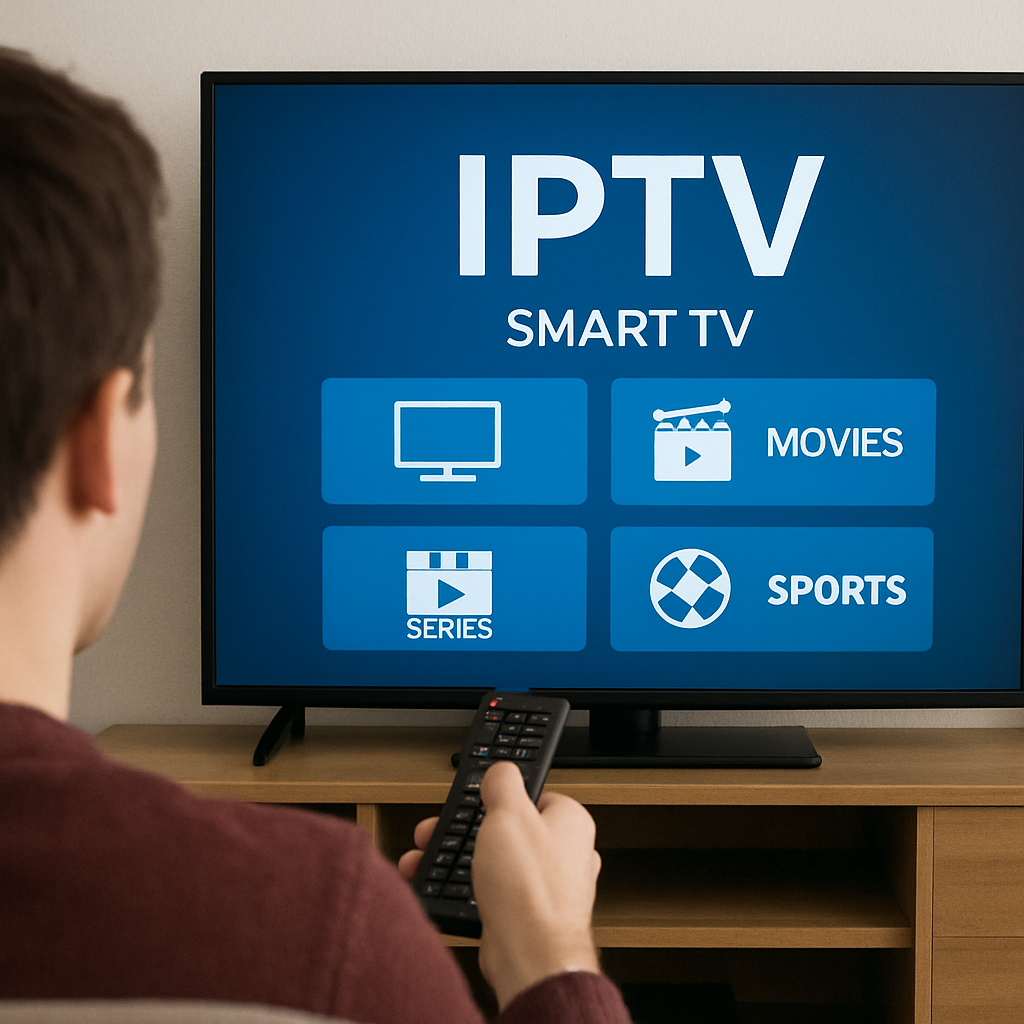
How IPTV Transmits Live Television Content
Discover "how does IPTV work" with insights into live streaming, legality, and top IPTV providers for an enhanced TV exp
How IPTV Transmits Live Television Content
Internet Protocol Television, or IPTV, is changing how we watch TV. It streams content over the internet, unlike traditional cable.
This technology offers live TV, video on demand, and more. IPTV is accessible on various devices, from smart TVs to smartphones.
With IPTV, you can pause, rewind, or fast-forward live TV. It provides flexibility and customization that traditional TV lacks.
However, the legality of IPTV varies by region. It's crucial to verify the legality of services in your area.
Explore how IPTV works and its benefits over traditional TV in this comprehensive guide.

What is IPTV? Understanding Internet Protocol Television
IPTV, or Internet Protocol Television, revolutionizes content delivery. It sends TV programs through internet connections.
Unlike cable TV, it uses internet protocols for efficient streaming. This includes unicast and multicast methods.
IPTV offers various services like live broadcasts and video on demand (VOD). Each service provides a different viewing experience.
Here's a quick overview of its main features:
- Live TV streaming over the internet
- Access to on-demand content
- Ability to pause and rewind live programs
It's accessible on multiple devices, making it versatile. Smart TVs, computers, and mobile devices all support IPTV.
This flexibility enhances viewing choices and convenience. IPTV transforms how audiences engage with television today.

How Does IPTV Work? The Technology Behind the Stream
IPTV involves a sophisticated process to deliver content. It begins with acquiring TV signals from broadcasters.
These signals are encoded into a digital format. Encoding is essential for smooth transmission over the internet.
The encoded content is then packaged and transmitted. Middleware plays a crucial role in this phase.
Middleware manages the routing and delivery of content. It ensures data reaches the correct viewer.
To achieve this, IPTV uses streaming protocols. These include Real-Time Streaming Protocol (RTSP) and User Datagram Protocol (UDP).
Key steps in the IPTV process include:
- Signal acquisition from broadcasters
- Encoding and packaging of content
- Delivery management through middleware
Lastly, the content arrives at your device for playback. A seamless experience is achieved through compatible apps and set-top boxes.

Content Acquisition and Encoding
IPTV starts with acquiring content from various sources. These sources include traditional broadcasters and online feeds.
After acquisition, the content is converted into digital format. This conversion ensures compatibility with internet protocols.
The encoding process optimizes the content for streaming. This step minimizes buffering and ensures high quality.
Packaging, Middleware, and Delivery
Content packaging is a pivotal step in IPTV. Here, data is organized into manageable packets.
Middleware then directs these packets to users. It acts as the control center of the system.
Effective middleware ensures reliable delivery and supports scalability.

Playback on Your Device
For IPTV playback, a compatible device is necessary. Options include smart TVs, computers, and smartphones.
Devices require IPTV applications or set-top boxes. These applications decode streaming content for viewing.
The integration of apps and devices facilitates user-friendly navigation. It enhances overall content accessibility and interaction.

Types of IPTV Services: Live TV, VOD, and More
IPTV offers diverse service types suited to varied viewing needs. Users can choose between live TV, video on demand (VOD), and more.
Live TV through IPTV mirrors traditional broadcast but over internet protocols. It enables real-time viewing of television channels.
VOD provides flexibility by allowing users to select and watch video content anytime. With VOD, you access a library of movies and shows on demand.
Additionally, IPTV includes time-shifted media services. These services let users watch previously aired content at their convenience.
Here's a summary of IPTV service types:
- Live TV: Real-time channel streaming
- VOD: On-demand access to content
- Time-shifted media: Access past live broadcasts
Each type caters to unique consumer preferences, offering unparalleled accessibility and control over viewing habits.
Devices and IPTV Players: How to Access IPTV
Accessing IPTV content is simple with the right devices and applications. Most modern technologies support IPTV services seamlessly.
Smart TVs come with built-in apps for streaming IPTV channels. Alternatively, you can use external devices like set-top boxes for traditional TVs.
Computers, tablets, and smartphones are also excellent for accessing IPTV. They offer portability and convenience with compatible applications.
Various IPTV players facilitate content streaming across these devices. These applications provide intuitive interfaces and additional features like recording or live pause.
Here's how to access IPTV through different platforms:
- Smart TVs: Use built-in apps
- Set-top boxes: Connect to traditional TVs
- Mobile devices: Utilize IPTV apps

Popular IPTV Players: Tivimate and More
IPTV players are essential for streamlining the viewing experience. These applications help decode and display IPTV content efficiently.
One popular choice is the Tivimate IPTV Player. It's known for its user-friendly interface and extensive functionality.
Other players like IPTV Smarters and Perfect Player also provide robust features. These include channel organization and playback controls.
Here's a list of popular IPTV players:
- Tivimate IPTV Player: Known for ease of use
- IPTV Smarters: Features extensive customization
- Perfect Player: Offers flexible media support
The choice of player can greatly influence your IPTV experience.
Downloader Codes: Sportsfire and Tivimate
Downloader codes simplify installing IPTV services on your devices. These codes enable you to quickly add and configure applications.
The Sportsfire downloader code is popular for accessing various IPTV content. It simplifies installation and setup processes.
Tivimate also uses downloader codes for its applications. This ensures quick access to IPTV services with minimal hassle.
Key downloader codes include:
- Sportsfire downloader code: Facilitates IPTV installations
- Tivimate downloader code: Streamlines app setup
These codes are essential tools for efficient IPTV integration.
Choosing IPTV Providers: What to Look For
Selecting the right IPTV provider can enhance your viewing experience. It's crucial to consider various factors before deciding.
Start by evaluating the channel selection. A good provider will offer a broad range of local and international channels.
Next, consider streaming quality and reliability. The best IPTV services ensure a lag-free experience with minimal downtime.
Pricing is another vital aspect. Look for subscription plans that fit your budget without compromising on quality or features.
Here are key factors to consider when choosing IPTV providers:
- Channel Selection: Local and international options
- Streaming Quality: Reliable, high-definition streams
- Pricing Plans: Reasonable, with different options
- Customer Support: Accessible and efficient

Benefits of IPTV Over Traditional TV
IPTV offers several advantages over traditional television services. One significant benefit is the vast customization it provides.
Users can choose what to watch and when to watch it. This flexibility suits today's on-demand lifestyle.
With IPTV, viewers can also enjoy various features unavailable with traditional TV. These include:
- On-Demand Content: Watch anytime, anywhere
- Interactive Features: Pause, rewind, fast-forward
- Variety of Choices: Broad channel selection
- Higher Quality Streams: HD and 4K options
These features make IPTV a compelling choice for modern viewers. The service also offers better affordability, often with fewer ads.
Is IPTV Legal? Understanding the Legal Landscape
IPTV's legality varies worldwide due to diverse regulations. The content's source often determines its legality.
Licensed IPTV services are lawful and adhere to local laws. These include services provided by established internet protocol television providers.
However, some IPTV services operate without proper licenses. This leads to potential legal issues for users.
It's crucial to verify the legality of any IPTV service. Below are some considerations:
- Check Licensing: Ensure the service is properly licensed.
- Region-Specific Laws: Understand local broadcasting laws.
- Source Legitimacy: Ensure content sources are legitimate.
- User Responsibility: Be aware of potential legal risks.
Users should always ensure they use legitimate IPTV services. This helps avoid the consequences of unauthorized streaming.
Common Issues and Troubleshooting IPTV
IPTV users might face streaming issues like buffering or lag. These problems often stem from internet speeds or device settings.
Many issues can be fixed with simple troubleshooting steps. Below are some common solutions:
- Internet Speed: Confirm it meets service requirements.
- Device Restart: Reboot the set-top box or app.
- Software Update: Ensure the latest updates are installed.
- Network Reset: Reboot your router or modem.
These steps resolve most issues, ensuring a smooth IPTV experience. For persistent problems, contact your IPTV provider for support.
The Future of IPTV: Trends and Innovations
IPTV technology is continuously evolving with new advancements. Future trends promise better quality, interactivity, and user experiences.
Emerging technologies are shaping IPTV's future. These innovations include:
- Enhanced streaming with 4K and 8K resolution
- Virtual Reality (VR) integration for immersive viewing
- AI-powered content recommendations

These developments will make IPTV more dynamic and engaging. The landscape of digital entertainment is shifting rapidly. Understanding these trends can help you stay ahead in the IPTV space.
Conclusion: Is IPTV Right for You?
IPTV offers flexibility and a diverse range of content. It's ideal for those seeking more control over what, when, and how they watch TV.
Consider your streaming needs and the legality in your region. IPTV could be a cost-effective and modern solution for your entertainment preferences.