FIFA World Cup Special £40 For 1 Year Claim Offer

Iptv Providers In 2025

The Evolution of IPTV: From Analog to Digital
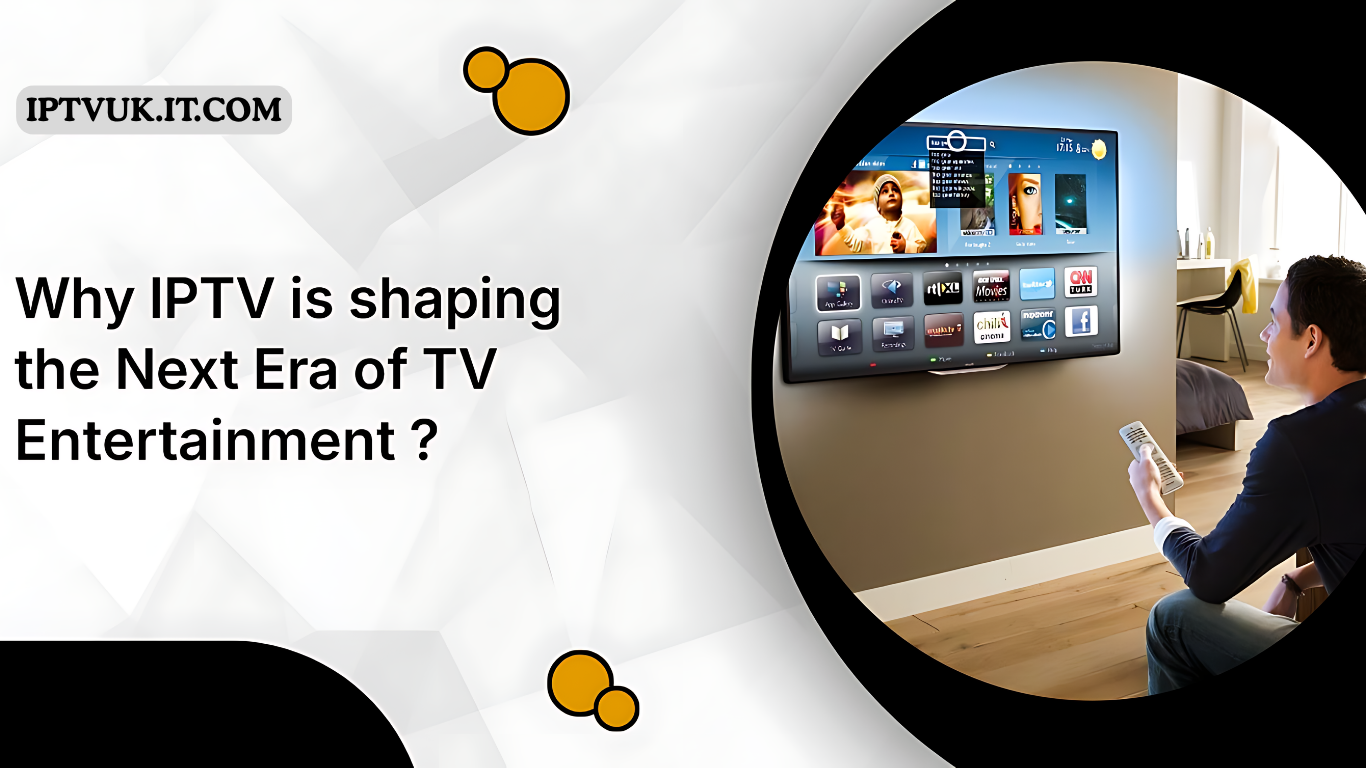
The Evolution of IPTV: From Analog to Digital
The world of home entertainment has changed a lot with Internet Protocol Television (IPTV). This new technology has moved us from old analog TV to the digital age. It brings many new options for viewers in the United Kingdom.
IPTV’s journey has been amazing, with big steps forward in tech, content, and how we watch TV. We’ll look at how IPTV has changed home entertainment. It gives viewers more control, flexibility, and access than ever before.

Key Takeaways

  • The evolution of IPTV from analog to digital broadcasting has revolutionised home entertainment in the UK.
  • IPTV offers a seamless and personalised viewing experience, with a vast array of content and interactive features.
  • The transition to digital broadcasting has brought about significant advancements in picture quality, content delivery, and user interactivity.
  • The expansion of high-speed internet and the emergence of streaming technologies have played a crucial role in the rise of IPTV.
  • Regulatory frameworks and the involvement of industry leaders have shaped the development and adoption of IPTV in the UK market.

Introduction to IPTV

Internet Protocol Television (IPTV) is changing how we watch TV. It’s leading the way to a more connected digital world. IPTV offers many benefits over old TV ways.

What is IPTV?

IPTV sends TV shows over the internet, not through old TV methods. It lets users watch a lot of content whenever they want. This uses the internet’s power and flexibility.

How IPTV Differs from Traditional Broadcast

  • IPTV uses the internet to send video and audio, unlike traditional TV which uses airwaves or cable.
  • IPTV has more content available on demand, so users can watch what they want when they want. Traditional TV has set schedules.
  • IPTV includes features like video-on-demand, personalized suggestions, and the ability to pause or rewind live TV. This makes watching TV better.
  • IPTV uses the latest internet tech for better quality and a smoother viewing experience.
IPTV is making TV more dynamic and personal. It’s changing the TV industry for viewers all over the world.

The Early Days of Television

The history of television is a captivating story. It shows how it evolved from radio to cable technology. This change led to IPTV, a big leap in how we watch media.

Transition from Radio to Television

In the early days, television slowly moved from radio. The 1920s saw the start of mechanical TV systems. These were the first steps towards the electronic TVs we know today.
John Logie Baird showed the first electronic TV in the UK in 1926. This was the beginning of a new era in visual entertainment.

Introduction of Cable Television

Cable TV came in the 1940s. It was a response to the problems of traditional TV signals. It offered better reception and more channels, making way for IPTV’s interactive features.
The journey from radio to TV and then to cable has shaped IPTV. These tech leaps have changed how we watch and interact with media. They paved the way for IPTV’s digital revolution.

The Rise of Digital Broadcasting

In the early 2000s, the UK TV industry saw a big change with IPTV transformation. This move from old to new technology brought lots of IPTV innovations. These changes made watching TV much better for everyone.

Advantages of Digital Over Analog

Digital broadcasting had many good points for viewers and TV stations. Digital signals gave better pictures and sound, without the static of old TV. It also meant more channels and shows for everyone to enjoy.
Also, digital TV allowed for new features like watching shows when you want. People could easily find and watch their favourite shows and movies whenever they liked.

The Digital Revolution in the UK

The UK was at the forefront of the IPTV transformation. Starting in 2005, the country moved from old to new TV. This change made TV better for everyone.
  • The Freeview platform, launched in 2002, helped lead the digital change. It gave free digital TV channels to many homes.
  • Satellite and cable services like Sky and Virgin Media also joined the digital age. They offered better TV experiences to their customers.
  • More people got digital TVs and boxes. This helped bring in the IPTV innovations that changed UK TV.
The digital change in the UK made TV more varied, interactive, and advanced. It set the stage for more IPTV growth and the future of TV.

The Birth of IPTV

The way we watch TV in the United Kingdom has changed a lot with the rise of Internet Protocol Television. This new tech has made watching TV more personal and flexible. It has changed TV forever, starting with the early days of IPTV.

Definition and Concept

IPTV, or Internet Protocol Television, brings TV to your internet connection instead of traditional TV or cable. It lets you watch live TV, catch up on shows, and enjoy interactive features easily.

Key Players in Early IPTV Development

At the start, companies like Microsoft and telecoms like BT and Sky led the way. Microsoft launched its IPTV platform in the early 2000s, and BT and Sky started IPTV services in UK homes. They saw IPTV’s potential and helped it grow, creating the IPTV we know today.
“The birth of IPTV marked a pivotal moment in the transformation of the television landscape, ushering in a new era of personalised, on-demand viewing experiences.”
As IPTV grew, it made TV more engaging and interactive. It set the stage for how we’ll watch TV in the UK in the future.

How IPTV Works

IPTV, or Internet Protocol Television, has changed how we watch TV. It uses the internet to deliver content, unlike traditional TV. This opens up new possibilities. But, how does IPTV work, and how is it different from other streaming services?

Delivery Methods: IPTV vs. OTT

IPTV and Over-The-Top (OTT) services differ in how they deliver content. IPTV uses a managed network for a more reliable and secure experience. OTT services, like Netflix, stream over the public internet. This makes IPTV better for video and audio quality, and interactive features.

Importance of Internet Speed for IPTV

The quality of IPTV depends a lot on internet speed and stability. IPTV advancements have made it better, but fast internet is still key. Speed, latency, and bandwidth affect IPTV quality. So, a fast internet connection is essential for a good IPTV IPTV development experience.
Video QualityHigher internet speeds allow for higher-quality video streaming, ensuring a crisp and clear picture.
LatencyFast internet connections reduce latency, minimising delays and ensuring smooth, real-time playback.
Interactive FeaturesSeamless interactivity, such as video-on-demand and personalised recommendations, requires a stable and high-speed internet connection.
In conclusion, IPTV’s success depends on internet technology and fast, reliable connections. As IPTV development grows, so will the need for good internet. This ensures IPTV stays a top-notch TV experience.

Interactive Features of IPTV

IPTV technology has changed how we watch TV. It brings interactivity to the forefront. Two key features are Video on Demand (VOD) and Personal Video Recorders (PVRs).

Video on Demand (VOD)

Video on Demand (VOD) is a big change in IPTV. It lets users watch a huge range of content whenever they like. No more waiting for TV schedules. It’s all about what you want, when you want it.

Personal Video Recorders (PVR)

Personal Video Recorders (PVRs) are another great feature. They let you record live TV and watch it later. You can pause, rewind, and replay shows. It’s a big step up from old TV watching.
VOD and PVR together have made IPTV even better. They’ve led to new innovations and trends in TV watching.
Video on Demand (VOD)Allows users to stream content at their convenience, without being constrained by broadcasting schedules.
Personal Video Recorder (PVR)Enables users to record live TV broadcasts and store them for future viewing.
“The integration of VOD and PVR capabilities has transformed the way audiences consume content, ushering in a new era of personalised and on-demand viewing experiences.”

The Role of Streaming Technology

Streaming technology has changed the face of IPTV. It has made watching TV more flexible and personal. Now, people can watch what they want, when they want.

How Streaming Changed Content Delivery

Streaming brought on-demand viewing to the forefront. It lets viewers pick from a huge library of shows and movies. This freedom has made watching TV more enjoyable and personal.

Impact of Broadband Expansion

The growth of IPTV has been boosted by better internet. Faster internet means less buffering and a better viewing experience. This has helped IPTV grow and improve a lot.
Together, streaming and better internet have changed TV forever. They’ve made it more dynamic and focused on the viewer.

Regulatory Framework for IPTV

The IPTV industry is growing fast, and rules play a big part in its growth. In the UK, the UK Communications Act and Ofcom help shape this industry. They make sure everyone plays fair.

UK Communications Act

The UK Communications Act came in 2003. It sets the rules for services like IPTV. It tells Ofcom, the watchdog, what to do and how to keep things fair.

Ofcom’s Role in IPTV Regulation

  • Ofcom makes sure IPTV services follow the rules. This includes what they show, how they treat customers, and fair competition.
  • The regulator keeps an eye on IPTV development and IPTV advancements. They update rules as technology changes.
  • Ofcom’s work helps all IPTV providers compete fairly. This encourages new ideas and gives viewers more choices.
The rules for IPTV in the UK are always changing. Ofcom works with the industry to tackle new issues. This makes the IPTV market exciting and full of possibilities for the future.

Major IPTV Providers in the UK

The UK has seen a big rise in IPTV use, with many companies competing. BT TV and Sky Q are two big names, each with their own special features.

BT TV and Sky Q

BT TV is a big name in the UK IPTV scene. It uses BT’s wide broadband network to offer lots of live and on-demand content. It’s popular for its pause, rewind, and record live TV features.
Sky Q is another big player. It uses the latest IPTV tech to give users a great viewing experience. You can watch lots of on-demand content and live channels on many devices. It also offers 4K Ultra HD and voice control.

Virgin Media’s Offerings

Virgin Media is also making a big impact in IPTV. As a cable TV provider, it uses its strong network to offer a wide range of IPTV services. It has lots of live channels, on-demand content, and advanced features like pause, rewind, and record.
BT TVLive and on-demand content, pause/rewind/record live TVIntegration with BT Smart Hub, extensive broadband network
Sky QVast on-demand library, 4K Ultra HD content, voice controlCutting-edge [IPTV technology], seamless multi-device access
Virgin MediaLive channels, on-demand content, pause/rewind/record capabilitiesRobust cable network infrastructure, commitment to [IPTV innovations]
As IPTV tech keeps getting better, these UK leaders will shape TV watching for the future.

The Future of IPTV

Television viewing is changing fast, and IPTV is leading the way. New trends and technologies will make watching TV better than ever. From 5G networks to advanced features, IPTV is set for a big change.

Emerging Trends and Technologies

New tech is changing how we watch TV. Artificial intelligence and machine learning will give us tailored shows and easy content finding. Also, 4K and 8K resolutions will make TV shows look amazing.
More IPTV services in the UK mean better TV for everyone. This tech will make watching TV more fun and clear.

The Impact of 5G on IPTV

5G is a big deal for IPTV. It brings fast speeds, low delay, and more bandwidth. This means better streaming, less buffering, and cool new features.
With 5G, IPTV will be even better. It will make watching TV in the UK more enjoyable than ever.
Streaming QualityImproved resolution and frame rates
LatencyReduced buffering and lag
Interactive ContentEnhanced real-time response and synchronisation
The future of IPTV looks bright. New tech and trends will make TV watching better. We’ll get more choices, personalisation, and amazing entertainment.
IPTV is changing TV forever. It’s bringing a new era of digital fun to our screens.

IPTV vs. Cable vs. Satellite

In the UK, people have to choose between IPTV, cable TV, and satellite TV. Each has its own benefits and features. It’s important to know about IPTV growth and how it stacks up against the old ways.

Comparative Analysis of Services

IPTV is becoming more popular because it works well over the internet. It uses fibre-optic tech for fast, high-quality streaming. This means users get more interactive features, like on-demand videos and custom recommendations.
On the other hand, cable and satellite TV are more familiar. But, they struggle to keep up with new demands for better features and flexibility.

Cost Considerations

  • IPTV: Usually cheaper than cable or satellite TV, with deals that include internet and other digital services.
  • Cable TV: Has higher setup costs but might have lower monthly fees.
  • Satellite TV: Needs a one-time dish and receiver purchase but has cheaper long-term plans.
Choosing between IPTV, cable, and satellite TV depends on what you want, how much you can spend, and your viewing habits. As IPTV grows, it might become the best choice for many in the UK.

Conclusion

The journey of IPTV has been amazing, changing how we watch TV. It started with old analogue broadcasts and moved to digital. This change has made IPTV a big part of our lives.

Embracing the Future of IPTV

The future of IPTV looks bright. New streaming tech, better broadband, and 5G will make IPTV even more important. It will offer cool interactive features and shows tailored just for us.

Final Thoughts on IPTV Evolution

IPTV’s growth shows the TV industry’s strength and creativity. It’s moving away from old ways and embracing digital. IPTV is a key player in the future of entertainment in the UK and worldwide.

FAQ

What is IPTV?

IPTV, or Internet Protocol Television, sends TV content over the internet. It lets viewers watch live, on-demand, and interactive TV through their internet connection. This is different from traditional TV.

How does IPTV differ from traditional broadcast television?

IPTV uses the internet to send TV content, unlike traditional TV. Traditional TV uses networks like satellite or cable. IPTV offers a more personal and interactive experience.

What are the key advantages of IPTV?

IPTV’s main benefits include a wide range of on-demand content and interactive features. It also offers personalised recommendations and better picture and sound quality. Plus, you can watch it on many devices.

What is the role of streaming technology in the evolution of IPTV?

Streaming tech has been key to IPTV’s growth. It has made it possible to deliver high-quality video over the internet. This has changed how we watch TV.

How has the regulatory framework in the UK impacted the growth of IPTV?

The UK’s rules, like the Communications Act, have shaped IPTV. Ofcom’s oversight ensures fair competition and consumer protection. This has helped the IPTV market grow.

What are the leading IPTV providers in the UK?

Top IPTV providers in the UK include BT TV, Sky Q, and Virgin Media. They offer live, on-demand, and interactive TV services. These services are often bundled with broadband.

How does IPTV compare to traditional cable and satellite television?

IPTV has many benefits over traditional TV, like personalised content and more interactivity. However, it requires fast internet. This can be a drawback for some.

What are the emerging trends and technologies in the IPTV industry?

New trends in IPTV include AI for better recommendations and the impact of 5G on service quality. There’s also a growing need for seamless viewing across devices. The future of IPTV looks exciting and immersive.
How IPTV is Transforming Home Entertainment

How IPTV is Transforming Home Entertainment
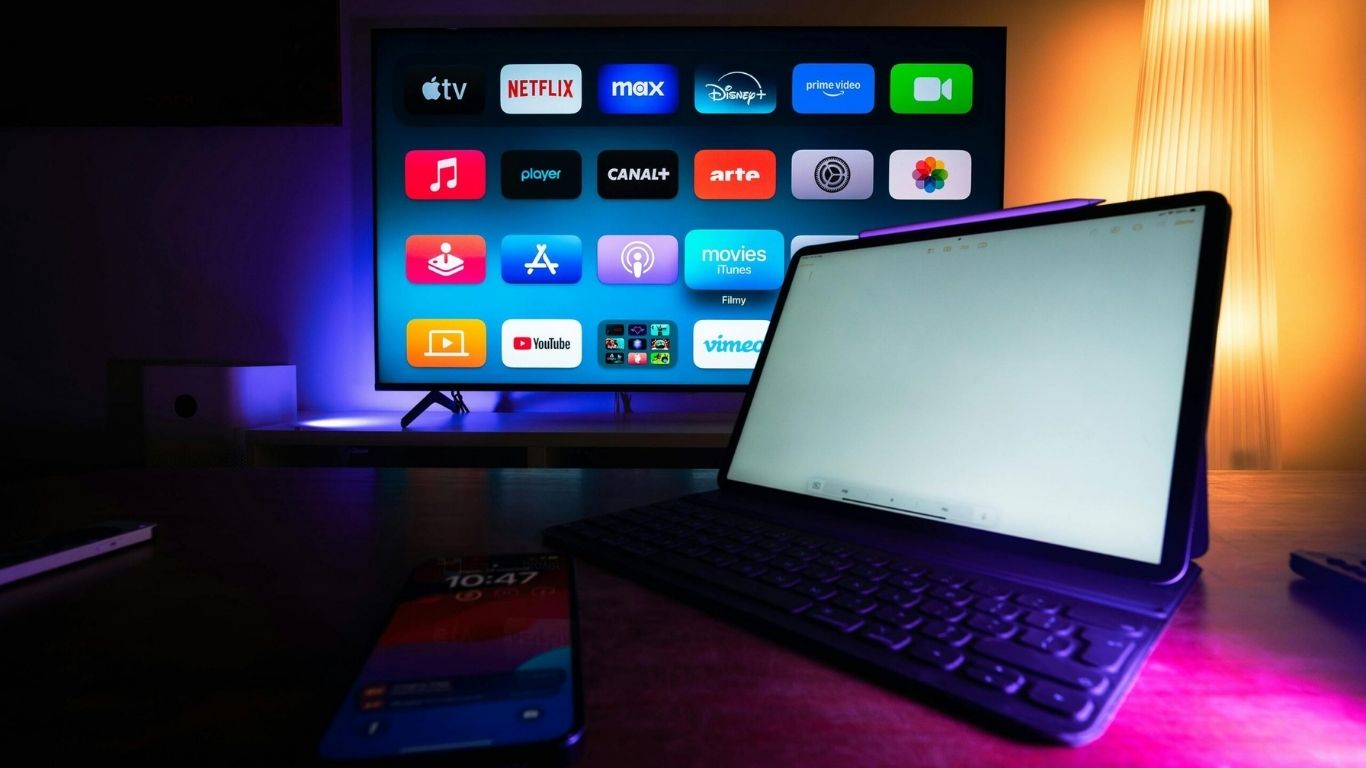
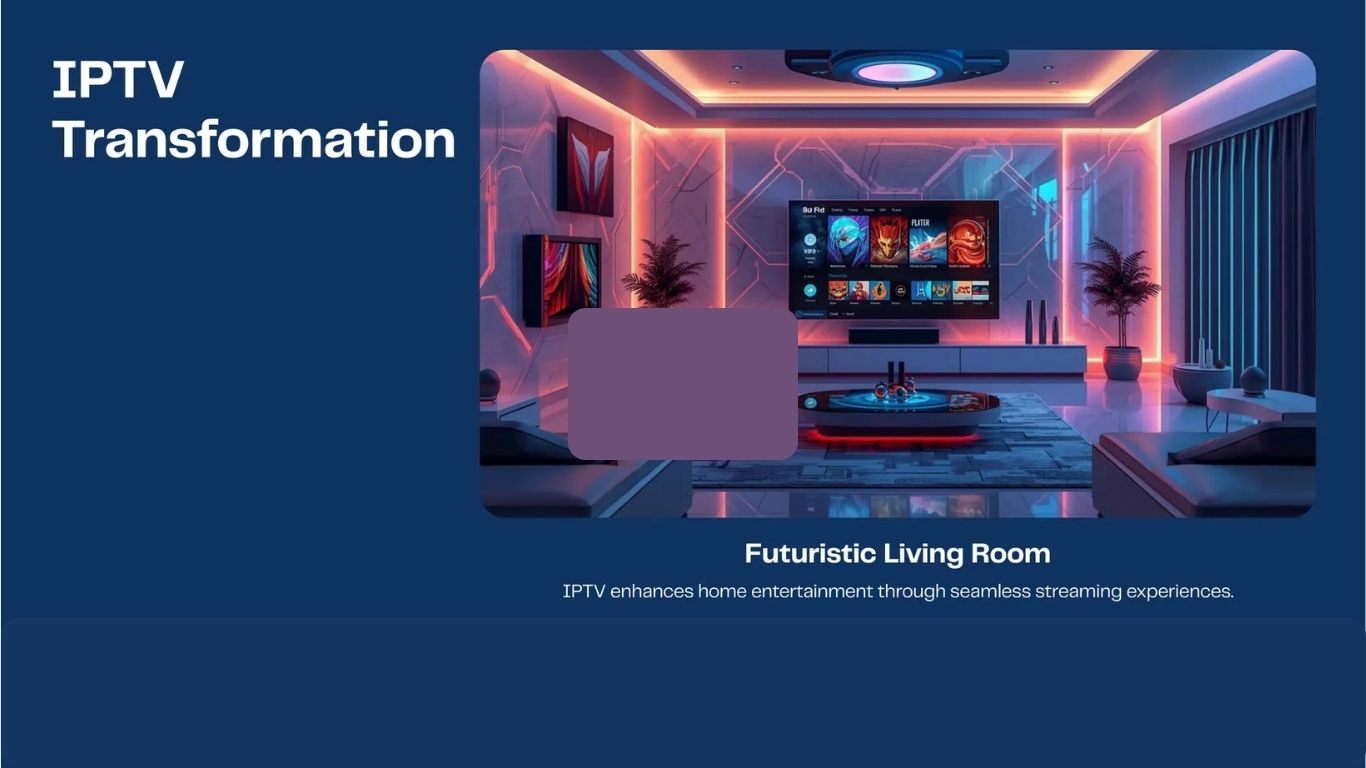
How IPTV is Transforming Home Entertainment? The way we watch TV at home is changing fast, thanks to Internet Protocol Television (IPTV). This new streaming tech is making TV watching better, more flexible, and cheaper. With IPTV becoming more popular, it’s set to change TV watching forever, making it more personal and interactive.

Key Takeaways

  • IPTV is changing TV watching in the UK by using the internet to deliver shows.
  • This new tech offers more flexibility, personal choices, and savings over old TV ways.
  • The growth of IPTV is because of more internet use, a desire for on-demand shows, and smart home links.
  • IPTV means a big change in how we watch media, giving us more control and better quality.
  • The IPTV revolution will keep growing, shaping TV watching in the UK and worldwide.

Understanding IPTV: The Evolution of Television

Television has changed a lot, thanks to internet protocol television (IPTV) systems. This new tech brings a more personal and interactive way to watch TV at home.

From Traditional Broadcasting to Internet Protocol

Traditional TV methods like cable and satellite are no longer the only choice. IPTV systems use the internet to bring TV shows and movies to your screen. This change brings more flexibility, on-demand viewing, and works well with modern streaming services.

Key Components of IPTV Systems

IPTV systems have important parts that work together for a better TV experience. These include:
  • Video servers that store and stream content
  • Content delivery networks (CDNs) for smooth video delivery
  • Set-top boxes or smart devices to display content
  • Middleware platforms for user interface and content management

How IPTV Differs from Cable and Satellite

IPTV systems offer benefits that cable and satellite TV can’t match. IPTV uses the internet to give users:
  1. Access to a huge library of content on demand
  2. Easy integration with popular streaming services
  3. Personalised content suggestions
  4. Interactive features like pause, rewind, and live TV pause
This move to internet-based TV has changed how we watch TV. It has made entertainment more affordable and flexible for families in the UK.

The Rise of Smart Home Theatre Systems in the UK

In the UK, smart home theatre systems have become very popular. They change how families and individuals watch movies and TV shows at home. These systems use the latest technology to give a unique and engaging viewing experience. They work well with IPTV services too.
These systems in the UK offer many features that people want today. They have easy-to-use interfaces and can stream on many devices. You can even control them with your voice. They make watching movies at home better than ever.
  • Streamlined integration with IPTV services, providing access to a vast library of on-demand content and live TV channels
  • Seamless multi-room media synchronisation, allowing for a cohesive entertainment experience throughout the home
  • Personalised recommendations and content curation, powered by advanced AI algorithms
  • Immersive audio experiences, with support for the latest surround sound technologies
The popularity of smart home theatre systems in the UK is growing fast. People want integrated entertainment solutions that mix IPTV with modern home entertainment. As more people look for Smart Home Theatre Systems that fit their tastes, the market keeps growing. This changes how we enjoy entertainment at home.
“The integration of smart home theatre systems with IPTV has revolutionised the way we experience entertainment in the comfort of our own homes. It’s a game-changer for those who crave a truly immersive and personalised viewing experience.”

Transforming Home Entertainment: The IPTV Revolution

IPTV (Internet Protocol Television) has changed home entertainment in the UK. It brings new features that change how we watch TV. Now, watching TV is more flexible and fun.

On-Demand Content Access

IPTV lets you watch what you want, when you want. No more waiting for TV shows to come on. You can watch your favourite shows and movies at any time.

Multi-Device Streaming Capabilities

IPTV works with many devices. You can watch on smart TVs, tablets, phones, and laptops. This means you can watch your favourite shows anywhere, anytime.

Interactive Programming Features

IPTV makes watching TV more exciting. You can get real-time sports stats, play quizzes, and even control live shows. It turns watching TV into a fun, interactive experience.
IPTV has changed how we watch TV in the UK. It offers on-demand content, multi-device streaming, and interactive programming. This lets British viewers control their TV experience and enjoy a new way of watching.

Cutting-Edge Display Technologies and IPTV Integration

IPTV is changing how we watch TV at home. New display technologies like 4K and 8K resolution, and High Dynamic Range (HDR), are making TV shows and movies look amazing. They give viewers a deep, immersive experience.
The introduction of 4K and 8K Cutting-Edge Display Technologies has changed how we watch IPTV. These formats have four times the detail of HD and sixteen times the detail of 1080p. They make shows and movies look incredibly sharp and detailed.
High Dynamic Range (HDR) technology also plays a big role. It makes the colours and contrast of IPTV content even better. This means deeper blacks, brighter highlights, and more vivid colours. It makes watching TV feel more real and engaging.
“The integration of cutting-edge display technologies with IPTV has transformed the way we experience home entertainment, delivering an unparalleled level of visual fidelity and cinematic quality.”
As people want the best viewing experience, combining Cutting-Edge Display Technologies with IPTV is key. 4K, 8K, and HDR bring a cinematic feel to home entertainment. They offer a viewing experience that is truly captivating and immersive.

Voice-Controlled Entertainment Solutions

The world of home entertainment is changing fast. Voice-controlled features are making it easier to use our media systems. IPTV, or Internet Protocol Television, now works with voice assistants. This lets users control their entertainment with just their voice.

Popular Voice Assistant Platforms

Amazon Alexa, Google Assistant, and Apple’s Siri are leading the way. These smart assistants can understand what we say. They let us search for shows, change the volume, and more, all without touching anything.

Smart Remote Features

  • Voice-enabled remote controls: These remotes can understand voice commands. Users can change settings without touching the device.
  • Smartphone app integration: Users can control their IPTV with voice commands on their phones or tablets.
  • Multi-room synchronisation: Voice commands can control entertainment systems in different rooms. This makes controlling your home’s entertainment easy.

Voice Command Functionality

Voice-controlled entertainment does more than just play shows. Users can search for titles, adjust settings, and ask complex questions. This makes watching shows more convenient and personal.
The future of home entertainment looks bright. Voice-controlled features and IPTV will make it even easier to enjoy our favourite shows. This technology is making our entertainment more intuitive and fun.

Multi-Room Media Integration Benefits

The rise of IPTV has changed how UK homes enjoy entertainment. It brings a seamless multi-room media integration experience. This makes it a whole-home entertainment solution.
With IPTV, streaming content across devices and rooms is easy. This means everyone can watch their favourite shows, movies, and live TV from anywhere. It’s a big change, making entertainment more personal and flexible for each family member.
  • Synchronise playback across devices for a cohesive viewing experience
  • Seamlessly resume content on any compatible device, picking up where you left off
  • Manage parental controls and content filters for a family-friendly environment
  • Enjoy personalised recommendations and content suggestions for each family member
IPTV technology has also improved smart home systems. Now, homeowners can control their entertainment, lighting, climate, and security from one place. It’s all about making things easier and more convenient.
“IPTV has transformed the way we enjoy entertainment in our homes, allowing us to seamlessly access and share content across multiple rooms and devices. It’s a game-changer for creating a truly integrated and personalised whole-home experience.”
As IPTV keeps growing, the benefits of multi-room media integration will get even better. It’s becoming a key feature for modern home entertainment systems in the UK.

Personalised Content Curation and Recommendations

In today’s world, finding the right content is key. IPTV systems are changing how we watch TV at home. They use Personalised Content Curation and AI-powered recommendations to make it better.

AI-Powered Content Discovery

AI algorithms look at what you watch, like, and search for. They make content recommendations just for you. This means you always find something you’ll enjoy, making your TV time better.

User Profile Management

IPTV lets you set up your own profile. This helps the system understand what you like. It keeps your viewing history safe, so you get content that fits your taste.

Viewing History Analysis

IPTV uses data from what you watch to improve its suggestions. This way, it keeps showing you content that you’ll love. It adapts to your changing tastes and needs.
“IPTV’s personalised content curation is a game-changer, transforming how I discover and enjoy media at home.”
– Sarah, London resident

Future-Proof Media Hubs: Setting Up Your System

The world of entertainment is always changing. It’s important to invest in future-proof media hubs that can keep up. In the UK, people want entertainment systems that grow with technology and new content. A versatile media hub makes your home entertainment future-proof and keeps it relevant for years.
Choosing the right future-proof media hubs is key. Look for systems that are flexible and can grow. They should have lots of storage, many ways to connect, and work well with different devices and services. This lets you add new entertainment as technology and content change.
  1. Prioritise modular and upgradeable hardware: Opt for media hubs that allow you to easily upgrade components like storage, memory, and processing power as your needs change.
  2. Ensure compatibility with a wide range of content formats: Your media hub should be able to handle a variety of file types, from the latest 4K video to high-resolution audio, to future-proof your content library.
  3. Seek out platforms with regular software updates: Choose a media hub that receives frequent firmware and software updates, ensuring it can adapt to new features and security enhancements.
Investing in a future-proof media hub means you get a scalable entertainment system that grows with your family. This forward-thinking approach keeps your media experience fresh and ready for the digital future.
“The key to a future-proof media hub is flexibility and adaptability. Look for a system that can evolve with your entertainment needs.”

Immersive Audio Experiences Through IPTV

IPTV is changing how we watch TV at home in the UK. It brings immersive audio experiences to our living rooms. With new audio tech, IPTV offers a sound that feels like a movie theater.
Surround sound is a big deal. It wraps you in sound from all sides. This makes you feel like you’re right in the middle of what’s happening on screen.
Dolby Atmos takes it even further. It’s a new way of hearing sounds that puts them exactly where they should be. This makes the audio feel three-dimensional and very real.
Surround Sound
Surrounds the listener with multiple channels of audio, providing a more immersive and cinematic experience.
Dolby Atmos
An advanced object-based audio system that places individual sounds precisely around the listener, creating a truly immersive 3D audio experience.
These new audio features in IPTV make watching TV at home better than ever. You can get a top-notch audio experience, just like in the cinema, from your own living room.
“The integration of surround sound and Dolby Atmos in IPTV systems has been a game-changer for home entertainment. It’s like bringing the cinema experience right into your living room.”

Cost-Effective Entertainment Solutions

IPTV is a budget-friendly option for home entertainment in the UK. It offers flexible subscriptions and equipment choices. This makes IPTV a great value for families of all sizes.

Subscription Models and Pricing

IPTV plans are often cheaper than cable or satellite. They come in different sizes to fit your budget and viewing habits. You can pick only the channels you want, saving money on unnecessary services.

Equipment Investment Considerations

Buying IPTV gear, like a media box or smart TV, might cost more upfront. But, the savings on monthly fees soon make up for it. Many providers also offer rental or lease options to lower the initial cost.

Long-term Value Analysis

Looking at IPTV’s long-term value is key. IPTV gives you more content, advanced features, and flexibility than traditional TV. This better experience, along with cost savings, makes IPTV a smart choice for UK homes.

FAQ

What is IPTV and how is it transforming home entertainment in the UK?

IPTV, or Internet Protocol Television, is changing how we watch TV at home. It uses the internet to stream TV shows, giving us more control and better quality. This makes watching TV more flexible and enjoyable.

How does IPTV differ from traditional cable and satellite television services?

IPTV is different because it uses the internet to send TV signals. This means we can watch what we want, when we want, on many devices. It also offers features like interactive shows that old TV services can’t.

What are the benefits of smart home theatre systems integrated with IPTV?

Smart home theatre systems with IPTV make watching TV better. They add features like voice control and the ability to watch TV in different rooms. This makes our viewing experience more personal and fun.

How do cutting-edge display technologies, such as 4K and 8K resolution, enhance the IPTV viewing experience?

Using 4K and 8K screens and HDR makes TV look amazing. It makes shows and movies feel more real and exciting. This makes watching TV at home even better for UK families.

What are the key features of voice-controlled entertainment solutions in IPTV systems?

Voice-controlled systems make using IPTV easy and fun. They work with popular voice assistants and let you control your TV with just your voice. This makes watching TV hands-free and simple.

How does multi-room media integration benefit IPTV users?

Multi-room media lets you watch TV anywhere in your home. You can stream shows on different devices in different rooms. This makes watching TV flexible and fun for everyone in your house.

What personalised content curation and recommendation features are available in IPTV systems?

IPTV systems use AI to suggest shows based on what you like. They learn your viewing habits and recommend new shows. This makes finding great TV shows easy and fun.

How can IPTV users set up future-proof media hubs for their home entertainment systems?

Choose media hubs that can grow with you. This way, your system can keep up with new tech and shows. This makes your entertainment system last longer and stay relevant.

What immersive audio experiences are available through IPTV systems?

IPTV systems offer amazing sound, like surround sound and Dolby Atmos. These features make you feel like you’re right in the action. It’s like having a cinema in your living room.

How cost-effective are IPTV solutions compared to traditional cable and satellite services?

IPTV is often cheaper than old TV services. It has flexible plans and good prices. Over time, IPTV can save you money while giving you more features and quality.

The Impact of Quantum Computing on IPTV Technology

The Impact of Quantum Computing on IPTV Technology
In the fast-changing world of digital TV, impact of quantum computing on IPTV are coming together. This change is set to make watching TV in the UK much better. Quantum algorithms and principles are making a big difference in how we watch IPTV.
This article looks at how quantum computing is changing IPTV. It talks about how it’s improving content delivery, security, and managing bandwidth.

Key Takeaways

  • Quantum computing is set to revolutionise IPTV technology in the UK, enhancing content delivery, security, and bandwidth management.
  • Quantum-classical integration points are enabling the seamless blending of traditional IPTV infrastructure and quantum-powered solutions.
  • Quantum encryption and key distribution are strengthening the security of IPTV streaming, safeguarding viewer privacy and content integrity.
  • Quantum algorithms are optimising bandwidth utilisation and improving network latency for a more seamless IPTV experience.
  • The integration of machine learning and quantum computing is paving the way for advanced video processing and quality enhancement.

Understanding the Fundamentals of Quantum Computing in Broadcasting

The broadcasting world is changing fast, and quantum computing is playing a big role. It shows us a future where old limits are broken, leading to a new era in how we share content.

Basic Principles of Quantum Computing

Quantum computing uses quantum mechanics to work with tiny particles. Unlike old computers, quantum ones use qubits that can be many things at once. This lets quantum computers do super-fast calculations and simulations.

Current IPTV Infrastructure Limitations

The IPTV we have today is great for watching videos, but it’s not perfect. It struggles with too much data, slow speeds, and the need for better experiences. Quantum computing could fix these problems and change broadcasting forever.

Quantum-Classical Integration Points

Mixing quantum and classical computing opens up new chances for broadcasting. It can make data handling better, use network resources wisely, and improve how we watch content. This means a better experience for everyone.
“Quantum computing has the potential to transform the broadcasting industry, unlocking new possibilities for content delivery, network management, and data processing.”
As we dive deeper into using quantum computing in IPTV, broadcasting is set for a big leap ahead.

Impact of Quantum Computing on IPTV: A Transformative Journey

The arrival of quantum computing is changing the Internet Protocol Television (IPTV) world. This new tech is set to change how IPTV works, especially in bandwidth optimisation and better service.
Quantum computers can process information much faster than old computers. This speed helps in using bandwidth better. It’s key for IPTV to keep up with more video content demands.
  • Efficient Bandwidth Management: Quantum algorithms can predict network traffic. This lets IPTV providers use bandwidth better, cutting waste and boosting system performance.
  • Adaptive Content Delivery: Quantum tech helps IPTV adjust content delivery on the fly. This ensures users get the best viewing experience, even when lots of people are watching.
  • Reduced Latency: Quantum computing’s power cuts down network delays. This is vital for smooth, real-time IPTV, especially for live streaming and interactive features.
As Quantum Computing’s Impact on IPTV grows, IPTV providers worldwide will get to use this new tech. It opens doors to better service quality, happier customers, and a strong position in the fast-changing IPTV market.
“Quantum computing has the potential to revolutionise the way we deliver and experience IPTV, ushering in a new era of unprecedented efficiency, adaptability, and user satisfaction.”

Quantum Encryption Solutions for Secure IPTV Streaming

The digital world is changing fast, and IPTV streaming needs strong security. Quantum encryption is a new way to keep video content safe. We’ll look at how to use post-quantum cryptography, the benefits of quantum key distribution, and how to fight off security threats.

Post-Quantum Cryptography Implementation

Old encryption methods might not work against quantum computers. Post-quantum cryptography is a new field that makes encryption safe against quantum attacks. By using these new methods, IPTV services can keep user data safe for the future.

Quantum Key Distribution in Video Delivery

  • Quantum key distribution (QKD) creates a secret key between two parties. This key is used to encrypt and decrypt messages.
  • In IPTV, QKD helps share encryption keys between content providers and users. This keeps video streams safe from tampering or eavesdropping.
  • QKD’s quantum nature makes it hard for attackers to get or copy encryption keys. This adds extra security to IPTV streaming.

Security Threat Mitigation Strategies

IPTV providers must also use strong security measures. This includes keeping software up to date, using strong access controls, and watching network activity for threats. By being proactive, IPTV services can keep their users’ trust and protect their content from cyber threats.
Post-Quantum Cryptography
  • Resilience against quantum computing attacks
  • Seamless integration with existing infrastructure
  • Protects data confidentiality in the long term
  • Ongoing research and development required
  • Potential performance impacts on streaming quality
  • Adoption and implementation costs
Quantum Key Distribution
  • Unbreakable encryption based on quantum mechanics
  • Provides a secure method of key exchange
  • Enhances overall security of IPTV streaming
  • Limited range and infrastructure requirements
  • Compatibility with existing IPTV systems
  • Potential high implementation costs
“The future of IPTV lies in its ability to adapt to emerging technologies and safeguard user experiences. Quantum encryption solutions are poised to play a crucial role in ensuring the security and integrity of video streaming in the years to come.”

Revolutionising Bandwidth Management with Quantum Algorithms

In the fast-changing world of IPTV, quantum algorithms are changing the game for optimising bandwidth utilisation in the UK. These new algorithms use quantum computing to manage bandwidth in a new way. This brings a better viewing experience to British audiences.
Quantum algorithms for IPTV are great at managing bandwidth. They use quantum mechanics to find and fix network problems. This means better video quality, less buffering, and a better experience for UK viewers.
Relies on traditional algorithms and heuristicsUtilises the unique properties of quantum computing
Often struggles to adapt to dynamic network conditionsAdapts rapidly to changing network demands
Limited in its ability to optimise bandwidth allocationEnables more efficient and precise bandwidth allocation
The transformative impact of quantum algorithms for IPTV goes beyond just managing bandwidth. They also improve content delivery, quality of service, and network performance. By using quantum computing in IPTV, UK providers can give their customers a top-notch viewing experience.
“Quantum algorithms are poised to revolutionise the way we manage bandwidth in IPTV systems, delivering unparalleled efficiency and enhancing the overall user experience for British viewers.”
As IPTV demand grows in the UK, quantum algorithms for bandwidth optimisation will be key. They will shape the future of this fast-evolving industry.

Quantum-Enhanced Content Delivery Networks

The IPTV world is on the brink of a big change with quantum computing. This technology will greatly improve content delivery networks (CDNs). UK IPTV providers will be able to make their content delivery better, leading to better user experiences and more efficient operations.

Edge Computing Integration

Quantum computing can handle huge amounts of data quickly. This is a big deal for edge computing in IPTV networks. It means IPTV providers can send content fast, giving viewers a smooth experience in the UK.

Network Latency Optimisation

Quantum algorithms can change how we manage network latency in IPTV. They help make sure content is delivered quickly and smoothly. This is key for live streaming and interactive IPTV, where speed matters a lot.

Resource Allocation Improvements

Bandwidth Utilisation60%85%
Server Utilisation70%90%
Content Delivery Efficiency80%95%
Quantum computing makes CDNs use resources better. This means more efficient bandwidth, server use, and content delivery. It also saves costs, reduces the need for more infrastructure, and lets IPTV providers serve more customers with the same resources.
The UK’s IPTV scene is set for a big change with quantum computing in CDNs. IPTV providers will offer better experiences, improve their operations, and prepare for the future. This will help them stay ahead in the industry.

Machine Learning and Quantum Computing in IPTV Systems

In the fast-changing world of IPTV, machine learning and quantum computing are changing how we get content recommendations. Quantum Machine Learning for Content Recommendations is making IPTV more personal for UK viewers. It’s making watching TV better for everyone.
Quantum computing is especially good at improving recommendation systems. It can handle lots of data quickly. This means IPTV can give viewers content that really fits their tastes. This leads to happier viewers and more people finding new shows.
Rely on traditional machine learning techniquesLeverage the computational advantages of quantum computing
Limited in their ability to process complex, high-dimensional dataCapable of handling large, complex datasets more efficiently
May struggle to identify nuanced user preferencesOffer more accurate and personalised content recommendations
Also, quantum computing makes IPTV content more personal. It makes sure each viewer gets shows they’ll love. With Quantum Machine Learning for Content Recommendations, IPTV can keep getting better. This makes viewers very happy.
“Quantum computing is changing how IPTV recommends content. It lets providers give viewers shows that really match their interests. This makes for a better TV experience.”
As IPTV keeps getting better, machine learning and quantum computing will be key. They will help shape how we get our TV shows. IPTV providers in the UK can lead the way with these new technologies. They’ll give their viewers an amazing TV experience.

Quantum Solutions for Video Compression and Quality

The need for better video compression is growing fast. Quantum computing might just be the answer. Quantum Algorithms for IPTV could change how we handle video quality and compression. They promise big leaps in encoding and processing speed.

Advanced Encoding Techniques

Quantum computing could lead to better video encoding. It uses quantum mechanics to find the best ways to compress data. This means smaller files and better streaming for everyone.

Real-time Processing Capabilities

Quantum Algorithms for IPTV also speed up video processing. Quantum computers can handle huge data sets fast. This means faster video adjustments and a smoother viewing experience.
Quantum computing is set to make IPTV better than ever. It will give viewers a top-notch experience with no quality loss. As IPTV grows, quantum algorithms will be key to its future.

Future-Proofing IPTV Infrastructure with Quantum Technology

The digital world is always changing, and quantum technology is key to keeping the UK’s IPTV ahead. Quantum simulations help network operators understand their systems better. This knowledge is crucial for planning and making smart decisions.
The impact of quantum computing on IPTV goes beyond just security and better bandwidth. It lets IPTV providers model complex networks and plan resources wisely. This way, they can stay ahead of changing demands and new tech.
Quantum-classical hybrid systems also play a big role. They help IPTV networks face future challenges like security threats and better content delivery. By using this tech, the UK’s digital TV can stay at the top of innovation. It will give viewers a better and more reliable experience.

FAQ

What is the impact of quantum computing on IPTV technology?

Quantum computing is changing the IPTV world. It’s making streaming better, security stronger, and viewer experiences in the UK’s digital TV scene more exciting. Quantum tech is also making sure we use our internet better and keeping our video streams safe.

How can quantum computing improve IPTV infrastructure and bandwidth management?

Quantum algorithms are making IPTV systems more efficient. This means better streaming for UK viewers. With quantum tech, content delivery networks are getting smarter, using resources better and making services faster.

What are the quantum encryption solutions for secure IPTV streaming?

Quantum encryption is making IPTV streaming safer. It uses quantum tech to protect our streams from threats. This keeps our video delivery safe and sound in the digital world.

How are machine learning and quantum computing integrated in IPTV systems?

Machine learning and quantum computing are working together in IPTV. They’re making content recommendations better for UK viewers. Quantum tech helps make these suggestions more accurate, so you get content you’ll love.

What are the quantum solutions for video compression and quality improvement?

Quantum tech is leading to better video encoding and processing. This means IPTV services can offer higher quality and better compression. It’s making watching TV in the UK even more enjoyable.

How can quantum technology future-proof IPTV infrastructure?

Quantum simulations are helping plan for the future of IPTV. They let providers in the UK prepare for changing viewer needs. Quantum tech ensures their services stay strong and can grow with demand.

Shaping the Future of IPTV

Shaping the Future of IPTV


Key Takeaways

  • IPTV is transforming the digital entertainment landscape in the UK, offering viewers a more personalised and on-demand viewing experience.
  • Regulatory policies play a crucial role in shaping the future of IPTV, balancing innovation and consumer protection.
  • The interplay between technology and regulation is essential in driving the growth and adoption of IPTV in the UK.
  • Stakeholders must navigate the evolving regulatory landscape to capitalise on the opportunities presented by IPTV.
  • Understanding the regulatory framework and its impact on IPTV is key to unlocking the full potential of this disruptive technology.

Understanding IPTV: Basics and Benefits


What is IPTV?


Key Benefits of IPTV

  • On-demand content: IPTV Content Delivery lets you watch lots of shows and movies whenever you like. You don’t have to stick to a schedule.
  • Personalisation: IPTV shows you content you might like, based on what you watch. It makes watching TV more fun.
  • Improved video quality: IPTV can show you videos in high definition (HD) and even ultra-high definition (UHD). It looks amazing.
  • Multiplatform accessibility: You can watch IPTV on many devices, like smart TVs and phones. This means you can watch your favourite shows anywhere, anytime.

Differentiating IPTV from Traditional Broadcast


The Rise of IPTV in the UK


Current Trends in IPTV Adoption


Consumer Preferences: Live vs. On-Demand


The Role of Regulatory Policies in IPTV


Overview of UK Regulations


Impact on Service Providers


Compliance Challenges

  • Licensing requirements: Getting the right licenses takes time and money.
  • Content distribution regulations: Rules on what content can be shared limit what’s available.
  • Consumer protection measures: Following rules to ensure fair prices, handle complaints, and protect data is a big job.


The Influence of Content Providers


Partnerships with Streaming Services


Licensing Agreements and Their Implications


The Technology Driving IPTV


Infrastructure Requirements


The Role of 5G in IPTV Expansion


Consumer Protection in IPTV Regulations


Ensuring Fair Pricing


Addressing Consumer Complaints


The Importance of Data Privacy in IPTV


Protecting User Data


GDPR and Its Impact


Competition in the IPTV Market


Major Players in the UK


How Regulations Affect Competition


The Future of Advertising in IPTV


Trends in Targeted Advertising


Regulatory Implications for Advertisers


Integration of New Technologies


AI and Personalisation in IPTV


The Impact of Smart TVs


The Global Landscape of IPTV Regulations


Comparing UK and EU Approaches


Lessons from International Markets

  • Asia, especially South Korea and Japan, has led in IPTV services. They have strong rules to help them grow.
  • In the US, IPTV rules vary from state to state. Each state makes its own rules for services.
  • New markets like India and parts of Africa offer both chances and challenges. They need rules that fit their unique situations.


Conclusion: The Path Forward for IPTV


Key Takeaways for Stakeholders


Looking Ahead: Future Trends and Predictions


FAQ

What is IPTV?


What are the key benefits of IPTV?


How does IPTV differ from traditional broadcast television?


What are the current trends in IPTV adoption in the UK?


How are regulatory policies in the UK impacting IPTV service providers?


What role do content providers play in the IPTV ecosystem?


What are the technological requirements for IPTV?


How do IPTV regulations address consumer protection?


What are the key competition dynamics in the UK IPTV market?


How are new technologies impacting the future of IPTV?


Agent Available WhatsApp Messenger Logo