How IPTV Is Bridging the Digital Divide in Developing Countries (2025)
Explore how IPTV is bridging the digital divide in developing countries by improving access to education, news, and entertainment. Learn how affordable streaming technology is empowering communities worldwide.
Key Takeaways
- IPTV technology offers a cost-effective and accessible solution to bridge the digital divide in developing countries.
- IPTV can overcome the geographical and infrastructural challenges that have hindered the expansion of traditional television services.
- IPTV has the potential to drive digital inclusion and empower underserved communities by providing affordable access to a wealth of content.
- IPTV can unlock educational, informative, and entertainment opportunities for those who have historically been denied digital access.
- The implementation of IPTV in developing countries can catalyse social and economic progress by bridging the digital divide.
Understanding IPTV and Its Role in Digital Connectivity
Basic Components of IPTV Systems
Differences Between Traditional TV and IPTV
Infrastructure Requirements
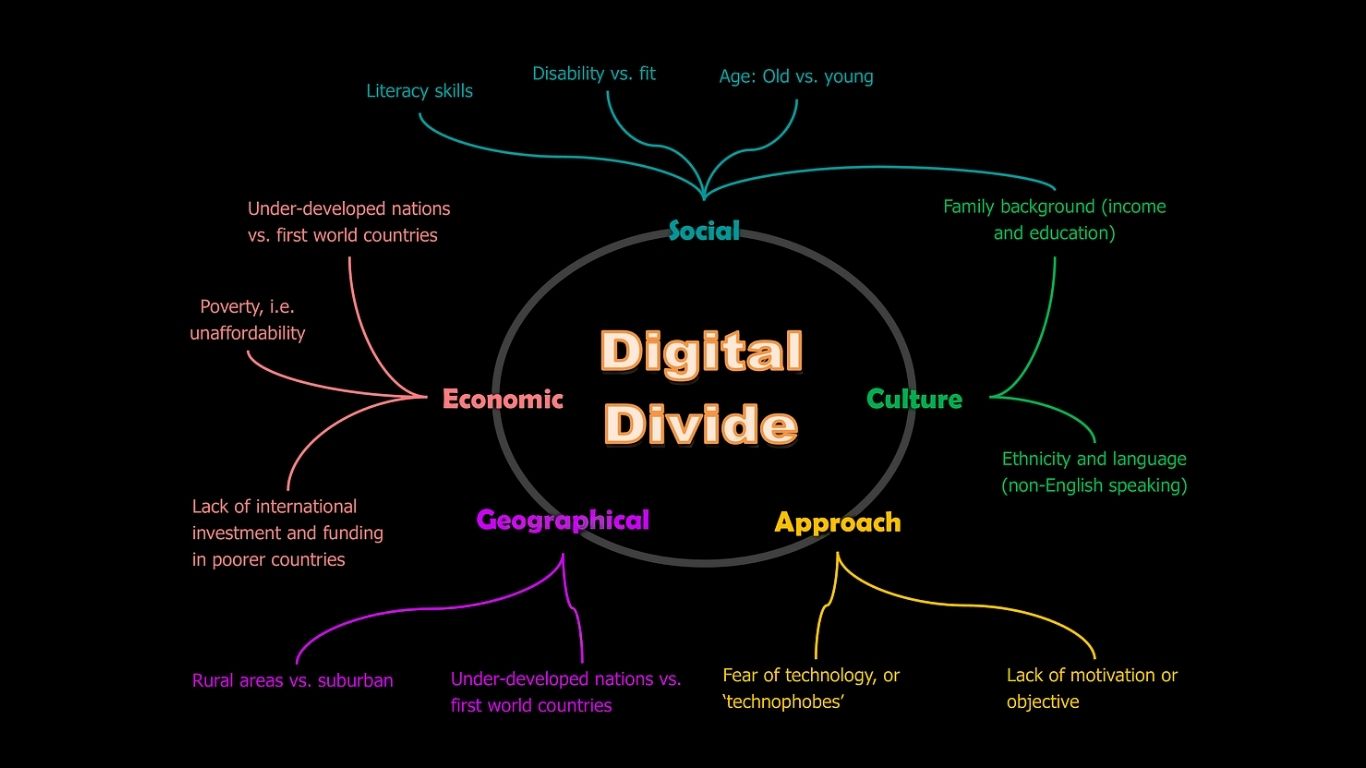
The Current State of Digital Divide in Developing Nations
- Only 19% of people in the least developed countries have internet, compared to 86% in developed ones.
- Rural areas have it even tougher. They have limited infrastructure and high costs for broadband, making it hard to get online.
How IPTV is Bridging the Digital Divide
Accessibility Features
Cost-Effective Solutions
Content Democratisation
Impact of IPTV on Rural Communities
Economic Benefits of IPTV Implementation
Job Creation Opportunities
Local Content Development
Market Growth Potential
Technological Infrastructure Development
Educational Opportunities Through IPTV
Distance Learning Programmes
Educational Content Distribution
Skill Development Initiatives
- IPTV helps deliver vocational training and skill development programmes. It prepares people for the digital economy.
- Through interactive tutorials and virtual experiences, IPTV teaches technical, entrepreneurial, and soft skills. These skills are key for community empowerment and sustainable development.
Challenges in IPTV Implementation
- Inadequate broadband infrastructure
- Lack of technological expertise
- Regulatory and policy challenges
- High implementation costs
- Content licensing and distribution issues
Government Initiatives and Policy Support
Regulatory Frameworks
Public-Private Partnerships
Future Prospects of IPTV in Developing Countries
Success Stories and Case Studies
FAQ
What is IPTV and how does it differ from traditional television?
How can IPTV help bridge the digital divide in developing countries?
What are the key features of IPTV that make it suitable for digital inclusion?
How does IPTV democratise media content in developing countries?
What are the economic benefits of IPTV implementation in developing countries?
How can IPTV improve educational opportunities in developing nations?
What are the key challenges in implementing IPTV in developing countries?
How are governments and policymakers supporting IPTV implementation?
What are the future prospects of IPTV in developing countries?