Understanding IPTV: How Internet Protocol Television Delivers Modern Entertainment
How iptv works content is delivered through the internet, and why IPTV has become a popular alternative to traditional.
introduction:
The television industry has undergone a remarkable transformation over the past two decades. How iptv works Traditional cable and satellite services once dominated the market, but the rapid growth of internet technology has introduced new and more flexible ways to watch television. One of the most significant innovations in this evolution is IPTV, or Internet Protocol Television. Today, millions of people worldwide use IPTV to watch live television channels, movies, sports, documentaries, and on-demand content. Unlike conventional broadcasting methods, IPTV uses internet technology to deliver entertainment directly to viewers. This modern approach provides greater convenience, flexibility, and access to content than many traditional television services. If you have ever wondered How iptv works and why it has become so popular, this comprehensive guide will explain everything you need to know.
What Is IPTV?
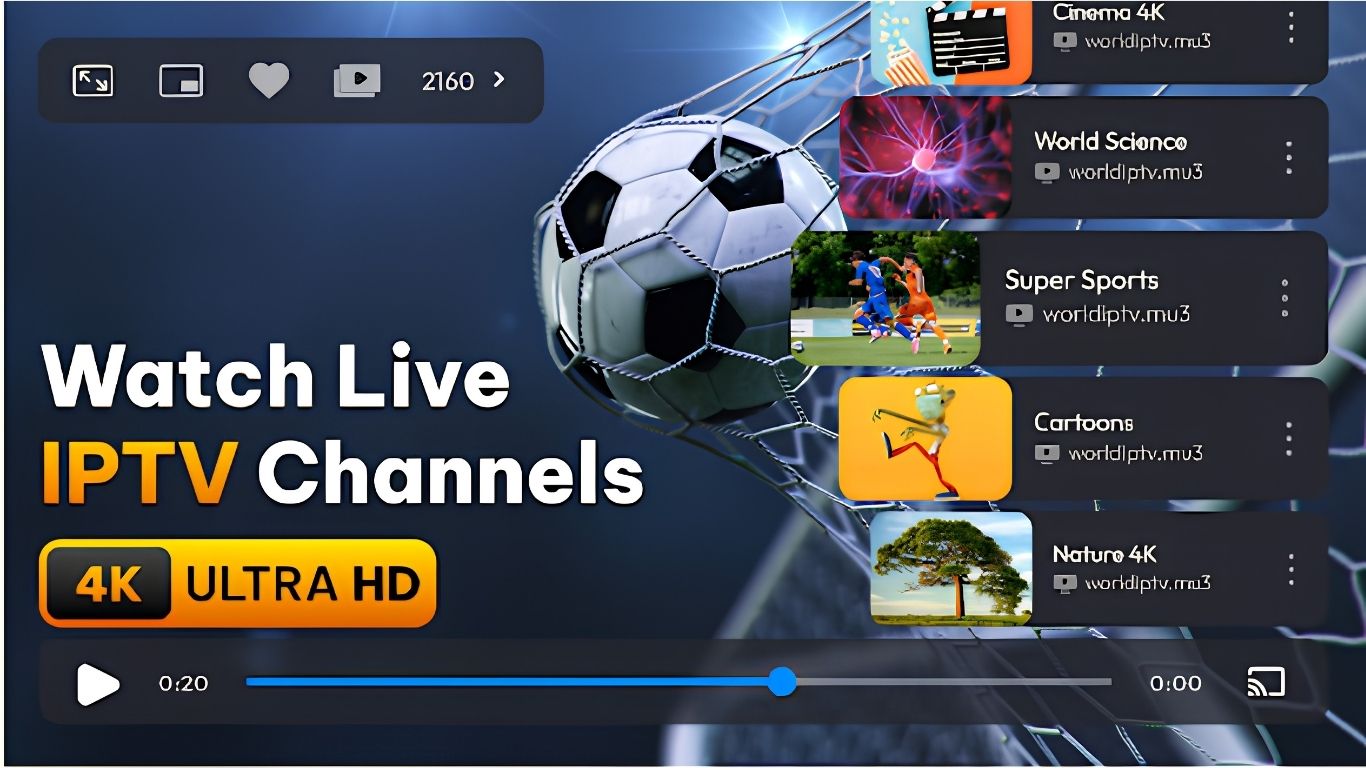
IPTV stands for Internet Protocol Television. It is a system that delivers television content over the internet rather than through traditional terrestrial, satellite, or cable formats. Instead of receiving television signals through a dish or cable line, IPTV users stream content over an internet connection. This allows viewers to access television programming using a wide range of devices, including smart TVs, smartphones, tablets, computers, and streaming devices. The key difference between IPTV and traditional television is the delivery method. Traditional broadcasting sends all channels simultaneously to every viewer. IPTV only delivers the content a user requests, creating a more efficient and personalized viewing experience.
The Basic Technology Behind IPTV
To understand how IPTV works, it is helpful to examine the technology that powers the service.
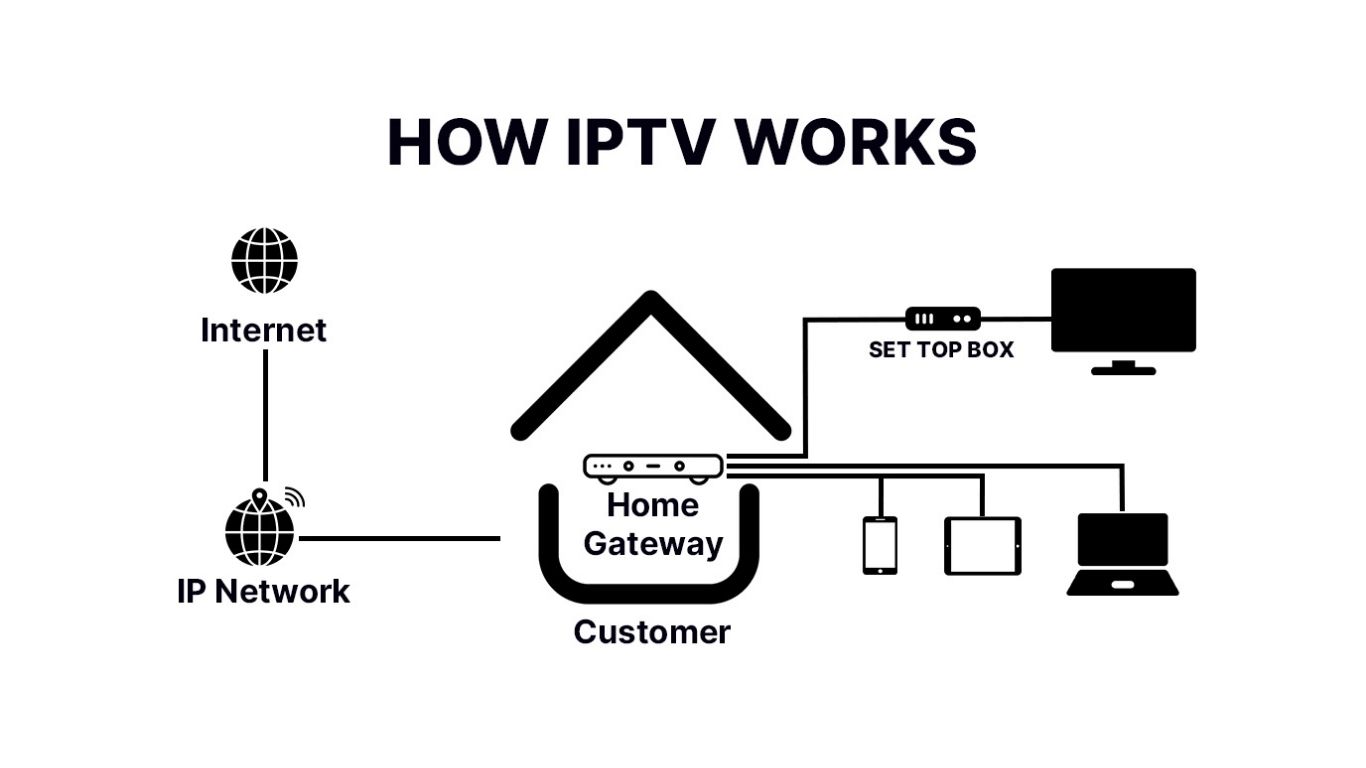
At its core, IPTV relies on Internet Protocol technology. This is the same technology used to deliver websites, emails, and online services across the internet.
When a user selects a channel or video, the IPTV server receives the request and sends the content directly to the viewer’s device. This process occurs within seconds, enabling real-time streaming of content.
The IPTV system typically consists of several components:
- Content providers
- IPTV servers
- Content delivery networks
- Internet infrastructure
- User devices
These components work together to ensure the smooth delivery of television programming.
How IPTV Content Is Delivered
The IPTV delivery process involves multiple steps that occur almost instantly.
Content Acquisition
The first step is acquiring content from broadcasters, studios, and media providers. This content may include:
- Live television channels
- Movies
- Sports broadcasts
- Television series
- News programming
The content is collected and prepared for digital distribution.
Encoding and Compression
Raw video files are extremely large and difficult to transmit efficiently. IPTV providers use encoding technology to compress video files while maintaining image quality.
Modern compression methods help reduce bandwidth requirements and improve streaming performance.
Storage and Distribution
After encoding, the content is stored on powerful servers. These servers act as the central hub for delivering content to viewers.
When a user requests a channel or video, the server retrieves the content and sends it over the internet.
Playback on User Devices
The final step occurs on the viewer’s device. IPTV applications decode the incoming stream and display it on the screen in real time.
This process allows users to watch content with minimal delays and excellent picture quality.
Types of IPTV Services
IPTV services generally fall into three main categories.
Live Television
Live IPTV broadcasts television channels in real time.
Examples include:
- News channels
- Sports channels
- Entertainment channels
- Documentary networks
Viewers can watch programs as they air.
Video on Demand
Video on Demand (VOD) allows users to choose content whenever they want.
Popular VOD content includes:
- Movies
- Television shows
- Documentaries
- Children’s programming
Unlike live television, viewers control when they start, pause, and stop playback.
Time-Shifted Television
Time-shifted television allows viewers to watch previously broadcast content.
Common features include:
- Catch-up TV
- Replay programs
- Recently aired shows
This flexibility makes it easier for viewers to fit entertainment into their schedules.
Why IPTV Has Become So Popular
Several factors have contributed to IPTV’s growing popularity.
Greater Flexibility
Traditional television requires viewers to follow broadcasting schedules. IPTV allows users to watch content when it suits them.
This flexibility appeals to busy households and modern lifestyles.
Multi-Device Access
IPTV can be accessed on various devices, including:
- Smart TVs
- Android TV boxes
- Fire TV devices
- Smartphones
- Tablets
- Computers
Users can switch between devices without losing access to their favorite content.
Expanded Content Options
Many IPTV services offer thousands of channels and extensive video libraries.
This variety gives viewers access to:
- International programming
- Live sports
- Premium movies
- Specialized channels
The result is a more comprehensive entertainment experience.
Internet Speed Requirements for IPTV
Internet speed plays a major role in IPTV performance.
Recommended speeds include:
Streaming Quality Recommended Speed Standard Definition5 Mbps HD Streaming10 Mbps Full HD Streaming15 Mbps4K Streaming25 Mbps or higher
Higher speeds are recommended for households using multiple devices simultaneously.
IPTV Devices and Compatibility
One reason IPTV continues to grow is its wide device compatibility.
Smart TVs
Many modern televisions support IPTV applications directly.
This eliminates the need for additional hardware.
Streaming Devices
Popular streaming devices include:
- Amazon Fire TV Stick
- Android TV boxes
- Chromecast devices
These products make IPTV accessible on virtually any television.
Mobile Devices
Smartphones and tablets allow users to watch content on the go.
Mobile IPTV apps have become increasingly popular among travelers and commuters.
Desktop and Laptop Computers
Many IPTV platforms also provide browser-based access or dedicated software applications.
This flexibility allows viewers to enjoy content from virtually anywhere.
Advantages of IPTV Over Traditional Television
IPTV offers several benefits compared to conventional television services.
Personalized Viewing Experience
Users can choose exactly what they want to watch and when they want to watch it.
This creates a more tailored entertainment experience.
Improved Accessibility
Content can be accessed from multiple locations and devices.
This level of accessibility is difficult to achieve with traditional broadcasting systems.
High-Quality Streaming
Many IPTV services support:
- HD content
- Full HD streams
- Ultra HD 4K programming
Advancements in internet technology continue to improve overall viewing quality.
Scalability
IPTV providers can easily expand their content offerings without major infrastructure changes.
This allows for larger channel selections and growing video libraries.
Common IPTV Features
Modern IPTV services often include advanced features that enhance the user experience.
Popular features include:
Electronic Program Guide (EPG)
EPGs display schedules and program information.
This helps users navigate channels efficiently.
Favorites Lists
Users can save preferred channels for faster access.
Search Functions
Advanced search tools help viewers locate content quickly.
Multi-Screen Viewing
Some platforms support multiple simultaneous streams across different devices.
Security and Reliability
Reliable IPTV providers invest heavily in infrastructure and security.
Important considerations include:
- Secure account management
- Server stability
- Content delivery optimization
- Regular software updates
These measures help improve performance and user satisfaction.
The Future of IPTV Technology
The IPTV industry continues to evolve rapidly.
Several emerging trends are shaping the future of internet television.
Artificial Intelligence
AI-powered systems can improve:
- Content recommendations
- Search accuracy
- Personalized viewing experiences
Enhanced Streaming Quality
As broadband speeds improve, IPTV providers will continue expanding support for:
- 4K content
- 8K content
- Advanced video formats
Interactive Features
Future IPTV platforms may include greater user interaction, live statistics, social integration, and enhanced viewer participation.
Frequently Asked Questions
Is IPTV the same as streaming?
IPTV is a streaming technology that delivers television content over the internet using the Internet Protocol.
Can IPTV replace cable television?
Many consumers use IPTV as an alternative to traditional cable services because of its flexibility and variety of content.
Does IPTV require a satellite dish?
No. IPTV uses internet connections rather than satellite dishes.
What devices can run IPTV?
Smart TVs, streaming devices, smartphones, tablets, laptops, and desktop computers can all support IPTV services.
Is a fast internet connection important?
Yes. Higher internet speeds generally result in better streaming quality and reduced buffering.
Why is IPTV growing so quickly?
Consumers appreciate IPTV’s flexibility, affordability, extensive content libraries, and multi-device accessibility.
Conclusion
IPTV has fundamentally changed the way people consume television content. By using internet technology to deliver live channels, movies, sports, and on-demand programming, IPTV provides viewers with greater control over their entertainment experience. Its flexibility, broad device compatibility, and extensive content offerings have made it one of the fastest-growing sectors in the television industry.
As internet infrastructure continues to improve worldwide, IPTV is expected to play an even larger role in the future of digital entertainment. For viewers seeking convenience, variety, and modern streaming capabilities, IPTV represents a powerful alternative to traditional television services.