Shaping the Future of IPTV
Explore how IPTV is evolving with advanced tech, smart devices, and AI integration. Learn what innovations are shaping the future of IPTV and how it will transform entertainment in 2025 and beyond.
Key Takeaways
- IPTV is transforming the digital entertainment landscape in the UK, offering viewers a more personalised and on-demand viewing experience.
- Regulatory policies play a crucial role in shaping the future of IPTV, balancing innovation and consumer protection.
- The interplay between technology and regulation is essential in driving the growth and adoption of IPTV in the UK.
- Stakeholders must navigate the evolving regulatory landscape to capitalise on the opportunities presented by IPTV.
- Understanding the regulatory framework and its impact on IPTV is key to unlocking the full potential of this disruptive technology.
Understanding IPTV: Basics and Benefits
What is IPTV?
Key Benefits of IPTV
- On-demand content: IPTV Content Delivery lets you watch lots of shows and movies whenever you like. You don’t have to stick to a schedule.
- Personalisation: IPTV shows you content you might like, based on what you watch. It makes watching TV more fun.
- Improved video quality: IPTV can show you videos in high definition (HD) and even ultra-high definition (UHD). It looks amazing.
- Multiplatform accessibility: You can watch IPTV on many devices, like smart TVs and phones. This means you can watch your favourite shows anywhere, anytime.
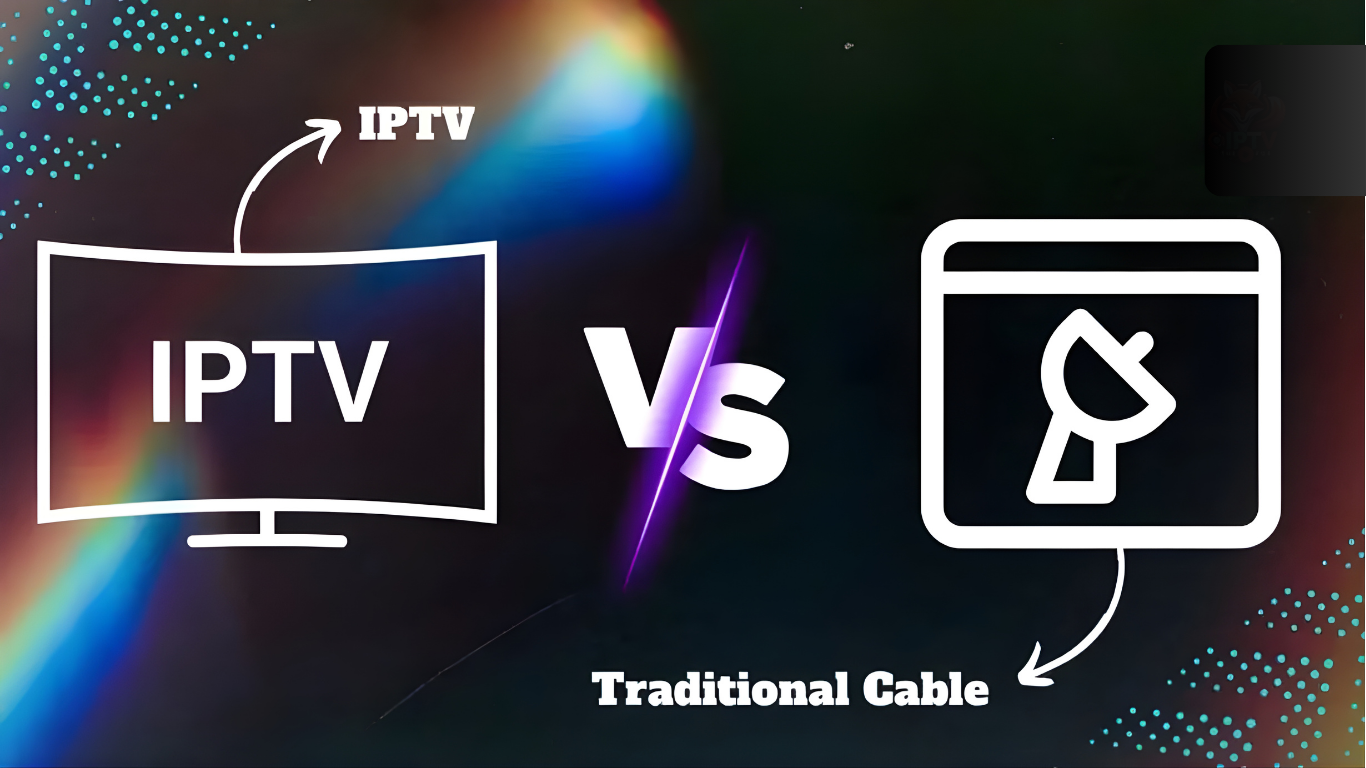
Differentiating IPTV from Traditional Broadcast
The Rise of IPTV in the UK
Current Trends in IPTV Adoption
Consumer Preferences: Live vs. On-Demand
The Role of Regulatory Policies in IPTV
Overview of UK Regulations
Impact on Service Providers
Compliance Challenges
- Licensing requirements: Getting the right licenses takes time and money.
- Content distribution regulations: Rules on what content can be shared limit what’s available.
- Consumer protection measures: Following rules to ensure fair prices, handle complaints, and protect data is a big job.
The Influence of Content Providers
Partnerships with Streaming Services
Licensing Agreements and Their Implications
The Technology Driving IPTV
Infrastructure Requirements
The Role of 5G in IPTV Expansion
Consumer Protection in IPTV Regulations
Ensuring Fair Pricing
Addressing Consumer Complaints
The Importance of Data Privacy in IPTV
Protecting User Data
GDPR and Its Impact
Competition in the IPTV Market
Major Players in the UK
How Regulations Affect Competition
The Future of Advertising in IPTV
Trends in Targeted Advertising
Regulatory Implications for Advertisers
Integration of New Technologies
AI and Personalisation in IPTV
The Impact of Smart TVs
The Global Landscape of IPTV Regulations
Comparing UK and EU Approaches
Lessons from International Markets
- Asia, especially South Korea and Japan, has led in IPTV services. They have strong rules to help them grow.
- In the US, IPTV rules vary from state to state. Each state makes its own rules for services.
- New markets like India and parts of Africa offer both chances and challenges. They need rules that fit their unique situations.
Conclusion: The Path Forward for IPTV
Key Takeaways for Stakeholders
Looking Ahead: Future Trends and Predictions
FAQ
What is IPTV?
What are the key benefits of IPTV?
How does IPTV differ from traditional broadcast television?
What are the current trends in IPTV adoption in the UK?
How are regulatory policies in the UK impacting IPTV service providers?
What role do content providers play in the IPTV ecosystem?
What are the technological requirements for IPTV?
How do IPTV regulations address consumer protection?
What are the key competition dynamics in the UK IPTV market?
How are new technologies impacting the future of IPTV?